Modern Grammar: The Asterisk
Hollywood's new star?

Minor spoilers for Thunderbolts*, the movie title with the most mischievous punctuation in years—maybe ever? The only other candidates I can think of are Airplane! and The Informant! (500) Days of Summer, maybe. Maybe.
Thunderbolts* hearkens back to a longstanding tradition of pop-culture punctuation: the comics asterisk.
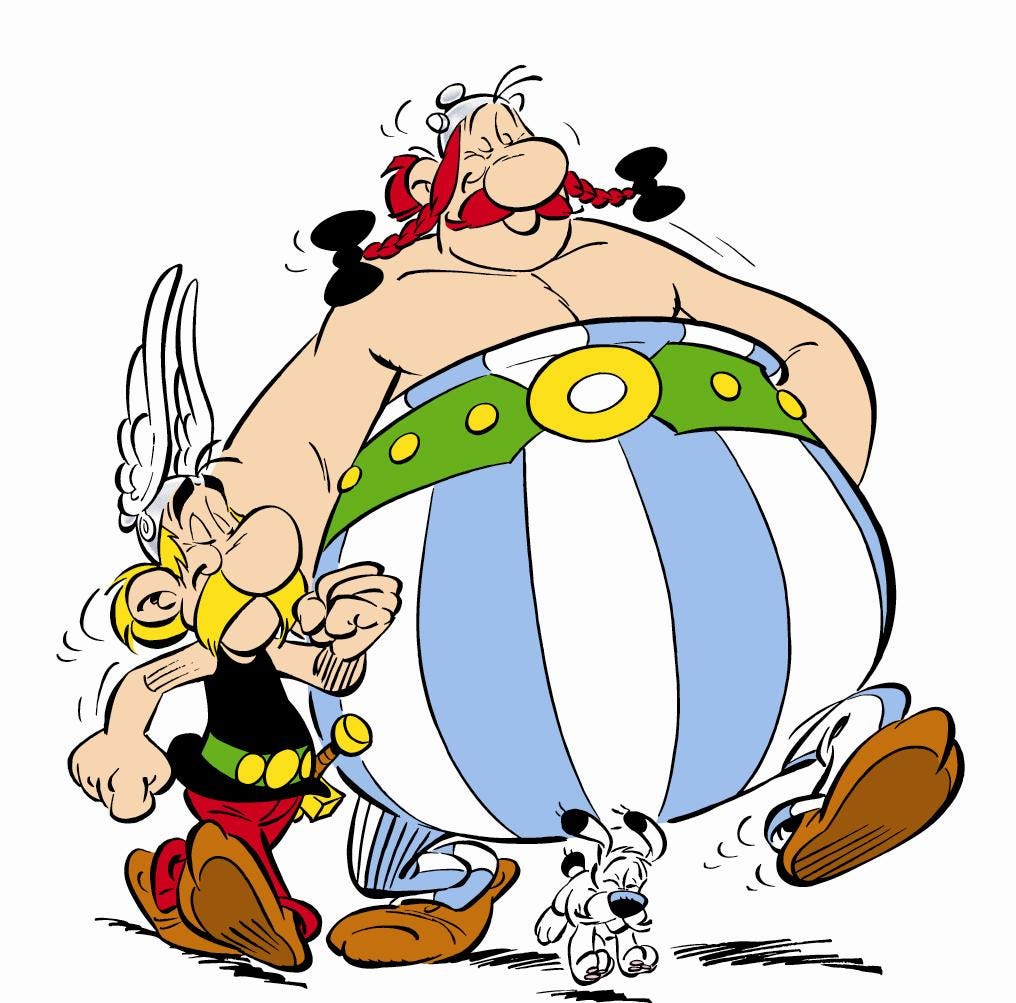
No, no, not the comics Asterix. That’s next week.
An asterisk shape is easy to make—anything from a five-pointed to an eight-pointed design “works.” Aristarchus of Samothrace, a leading scholar of Homer’s work in ancient Greece, used an asteriskos—“little star”—to mark duplicated or otherwise important lines in the Iliad. It looked like this:
※
That symbol is still in use in Chinese, Japanese, and Korean, but the * symbol as we know it took shape in the Middle Ages, marking lines for footnotes. A whole range of symbols evolved to mark additional footnotes—
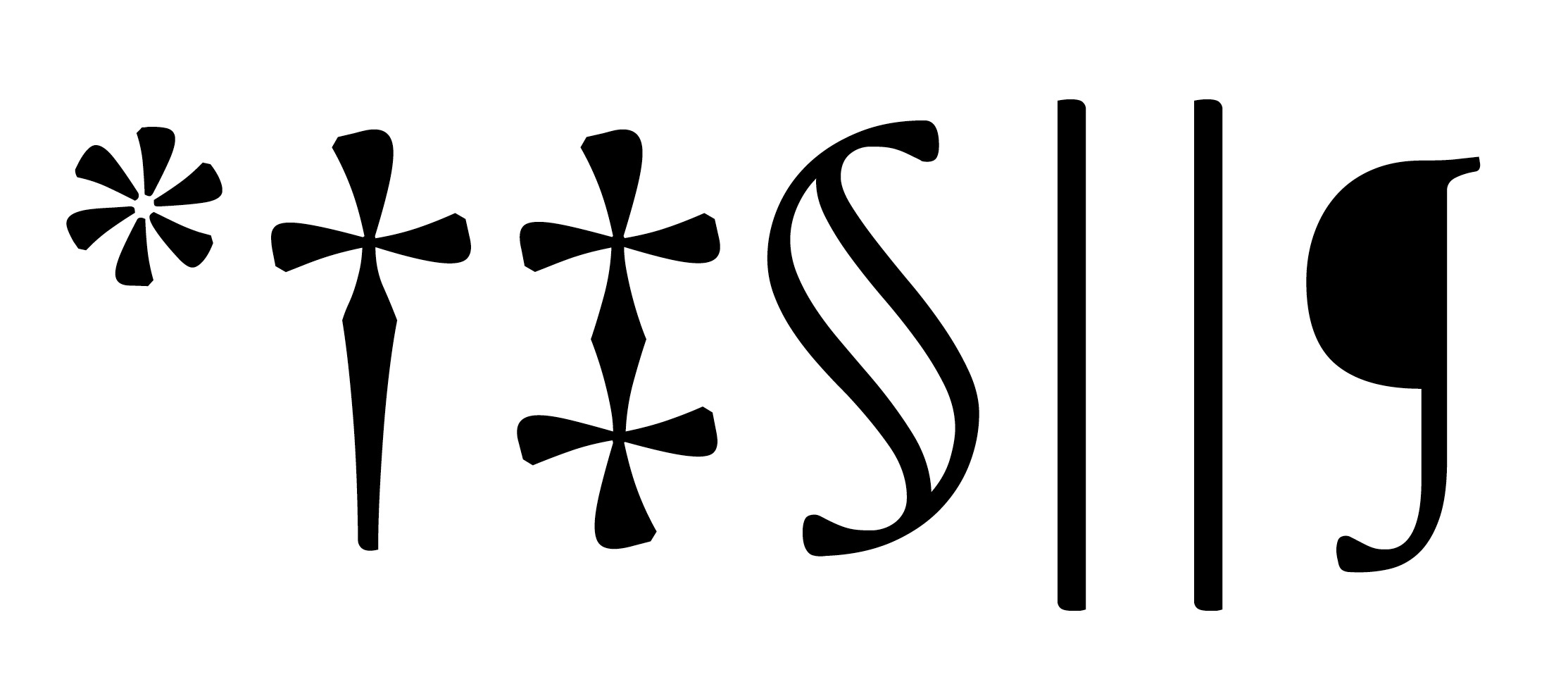
But in comics, the * “star” is usually all that gets used, with double ** and triple *** instances if there’s more than one footnote in a frame.
It’s hard to trace the earliest uses of the footnote asterisk in comics, but it’s easy to say who the most influential asterisk-user was. That would be Stan Lee, who made them gossamer threads interconnecting every story in the Marvel Universe to every other. Just four months into “the Marvel age,” with Fantastic Four #4, he started pulling stuff like this:
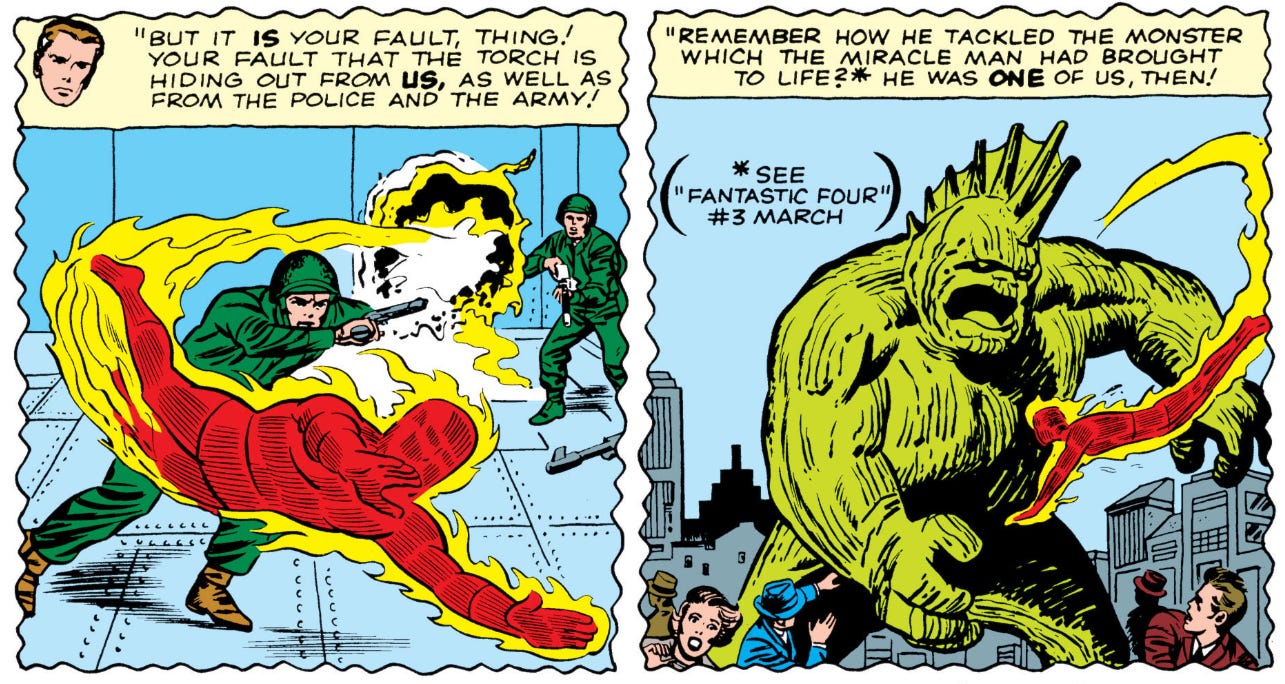
The footnote is in parentheses and has a partial publication date. Lee was still finding his feet with the device. By Avengers #12, he’d standardized his intertextual references, sticking footnote narration boxes at the bottom right of panels.
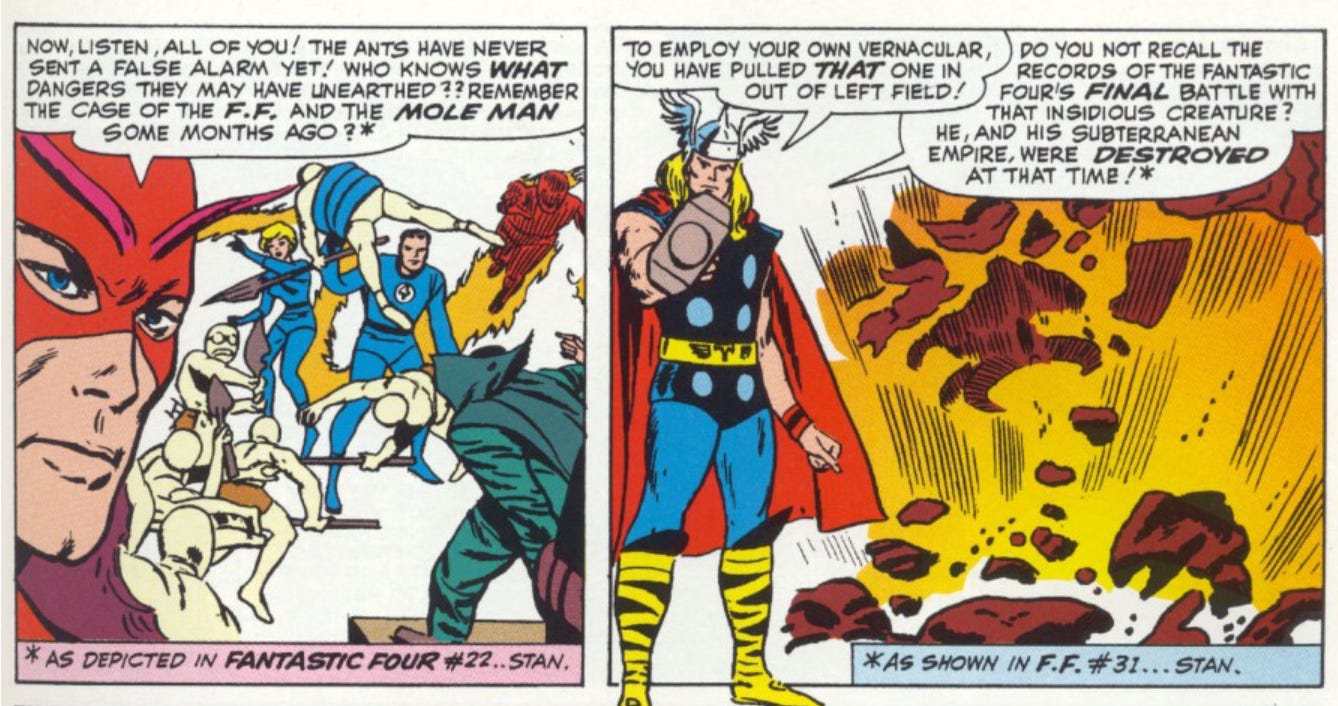
Lee also signed footnotes he edited, and later editors followed suit. By the time Lee stepped back from active comics production, the in-comic asterisk was standard practice. Though one sees it less often today, it’s still recognizable. Here’s an example published this week:
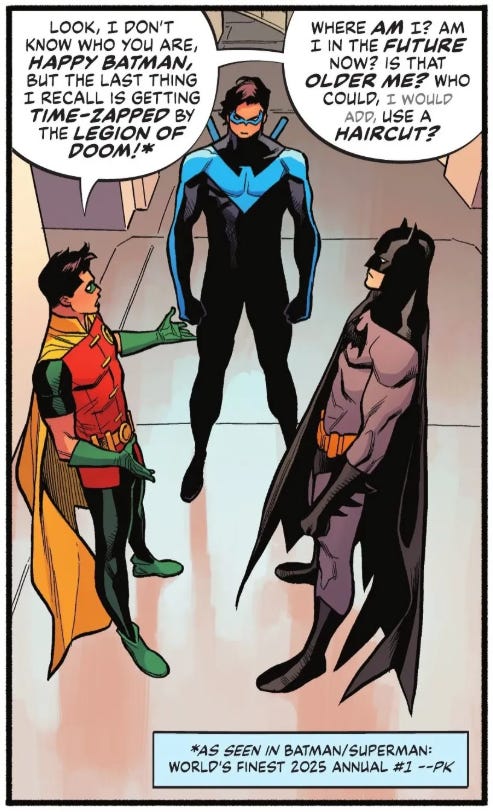
Note the sophisticated jump between perspectives. A time-displaced Dick Grayson is speaking, but editor Paul Kaminski (“PK”) signs the footnote. Grayson has no idea Kaminski is footnoting his words, but for the experienced reader, it’s easy to engage with the story while absorbing the note about a related story. (The note was extra helpful to me, as I'd missed the earlier installment to which it refers.)
The asterisk has other modern uses—a substitute multiplication sign, a wildcard value in text, a partial or full censor bar.

Comics often achieve that effect with multiple typographic symbols—
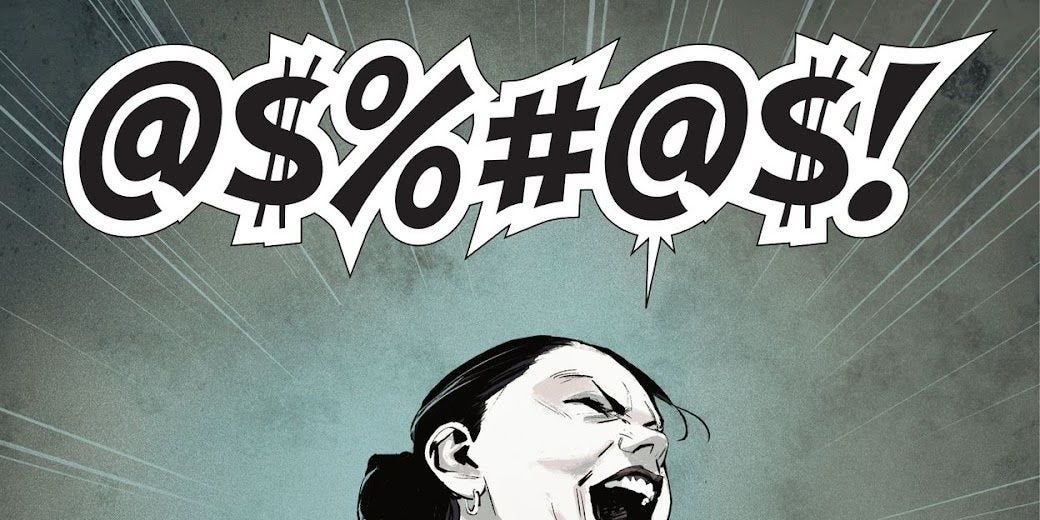
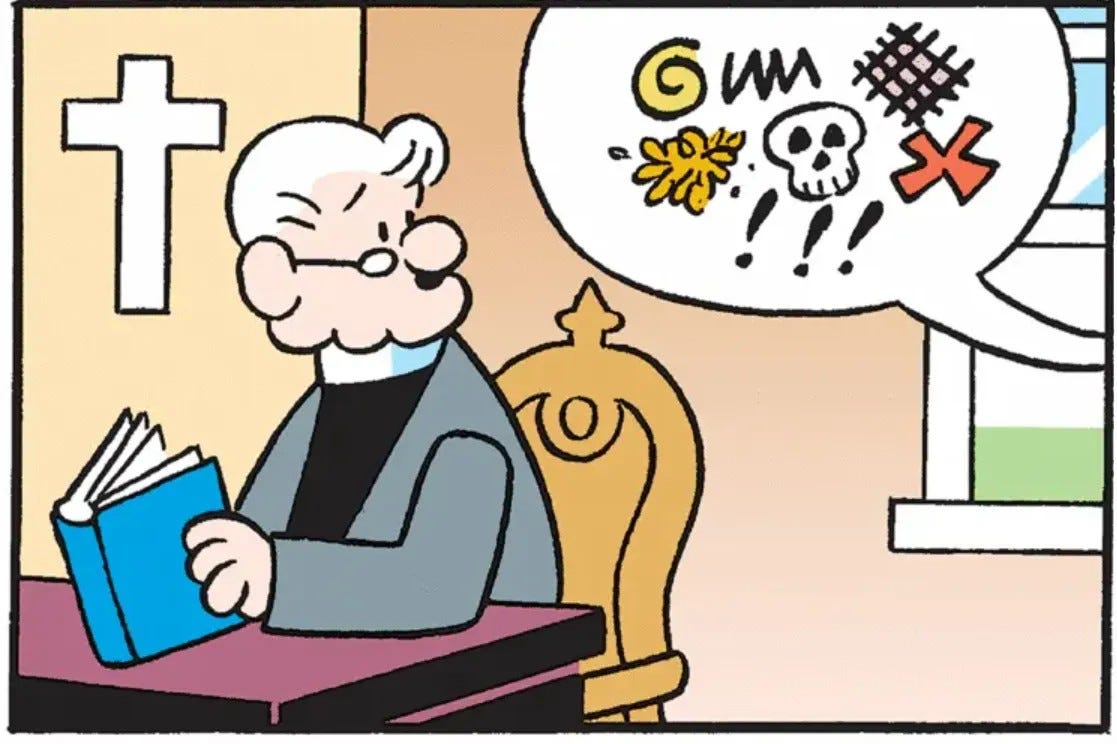
—or hand-drawn symbols (“grawlix”) you won’t find on any keyboard.
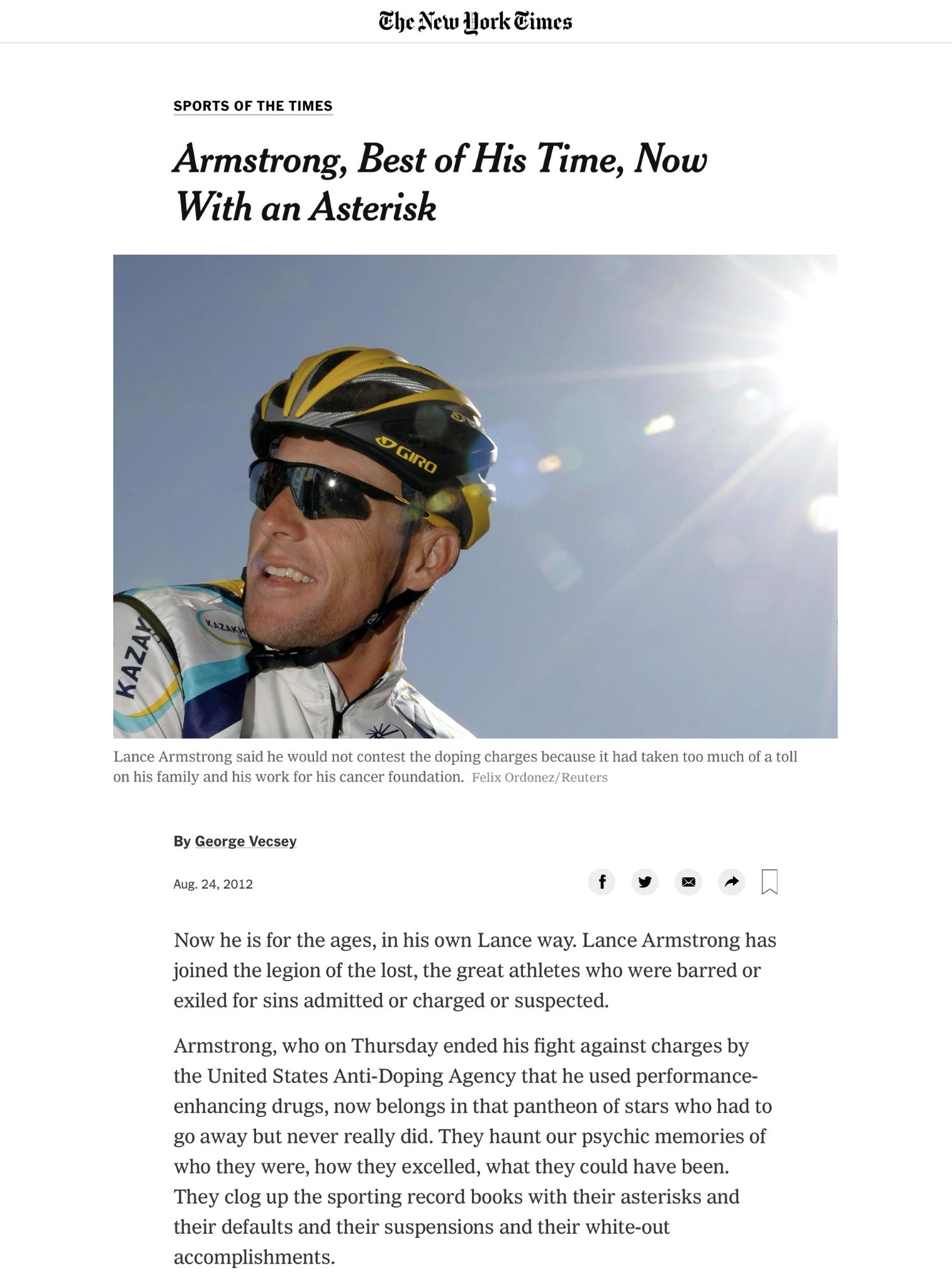
But let's get back to the “footnote” use. In sports, an asterisk (with implied footnote) is often a delegitimizer. Lance Armstrong’s and Barry Bonds’ achievements are said to “have an asterisk” because of their use of performance-enhancing drugs.
The Thunderbolts spend most of their movie as less a “team” than a collection of misfits welded together by circumstance. They’re named for an underperforming children’s soccer team—and even when they stand together at the climax, it’s unclear whether they’ve all agreed to that name. One might expect the movie’s asterisk to signify these qualifiers, but its real meaning becomes clear in the end credits. The Thunderbolts trade up for a more prestigious name, as shown when we at last get to the footnote.
And then others start questioning the legitimacy of their claim to that name, so that claim will probably be “with an asterisk” too.
But then, life is full of asterisks. There’s always a little more to say. Especially if you’re part of a series of interlocked stories with no end in sight.
Next: Multiple narrators…in living color!
Wasn't there a movie whosev title was $. ?